HVAC for Garage Conversions in Austin: The Comfort Plan That Won’t Fail in July
Turning a garage into a home office, guest suite, gym, or rental space can be one of the smartest upgrades you make in Austin—until you realize the room is
impossible to keep comfortable. If you’re researching HVAC for garage conversion Austin, you’re already ahead of most homeowners.
Comfort in a converted garage isn’t about “adding a vent” or buying a portable unit. It’s about selecting the right system, sizing it correctly,
and making sure humidity, airflow, and insulation work together.
This guide breaks down the best HVAC options for garage conversions in Austin, what usually goes wrong, and how to choose a solution that stays comfortable
during peak Texas heat—without sending your electric bill into orbit.
Why Garage Conversions Feel So Hot (and So Humid) in Austin
Garages are built differently than the rest of your home. Many have thinner insulation (or none), leaky garage doors, hotter attic/roof exposure,
and concrete slabs that radiate heat. Add a west-facing wall and late-day sun, and you get a space that “cooks” even when the rest of the home feels fine.
On top of that, garages often start with:
- Minimal air sealing (gaps around framing, doors, attic penetrations)
- Weak insulation in walls/ceiling
- No dedicated return air path for balanced airflow
- Humidity issues from hot air infiltration and poor ventilation
The result: your converted garage can feel stuffy, clammy, and inconsistent—especially if you try to “extend” your existing HVAC system without a plan.
The Best HVAC Options for Garage Conversions
The right setup depends on your layout, insulation, existing equipment, and how you plan to use the space. Below are the most common (and most reliable)
options for Austin homeowners.
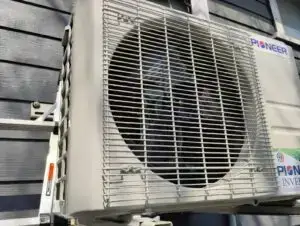
Option 1: Ductless Mini-Split (Most Popular for Garage Conversions)
If you want efficient comfort without tearing up your home, a ductless mini-split is often the best answer. Mini-splits deliver heating and cooling
directly to the converted space, and because there’s no long duct run, you avoid major airflow losses.
- Great for: single-room conversions, offices, gyms, studios, guest suites
- Why it works: dedicated system, strong dehumidification, quiet operation
- Big win: independent temperature control (no fighting the rest of the house)
If you’re exploring mini-splits, you can also review AlexSplit’s mini-split services here:
Mini Split Installation in Austin.
Option 2: Dedicated Split System (Best for Larger Conversions)
For bigger conversions (or when you want a more “whole-home” feel), a dedicated split system can be a strong choice—especially if you’re converting a
large two-car garage into a living space or ADU-style setup. This approach can include new ductwork designed specifically for the converted area.
- Great for: larger finished conversions, multiple rooms, ADU-like layouts
- Why it works: designed airflow, filtration options, traditional thermostat control
- Big win: can integrate zoning or multiple supply/return paths properly
Option 3: Extending Existing Ductwork (Only When It’s Truly Designed Right)
Many people ask, “Can we just run a duct into the garage?” Sometimes it’s possible—but this is also where conversions fail.
If your current system is already near capacity, adding another space can create weak airflow everywhere, uneven temperatures, and higher wear on equipment.
If duct extension is on the table, it should include a real evaluation: system capacity, static pressure, return air planning,
insulation requirements, and balanced airflow. Otherwise it’s a gamble.
Option 4: Heat Pump Solutions (Efficient Heating + Cooling)
Heat pumps are increasingly common because they provide efficient cooling in summer and heating in winter—ideal for Austin’s climate.
Many mini-splits are heat pumps, and there are also ducted heat pump systems for larger conversions.
What Usually Goes Wrong (and How to Avoid It)
Mistake #1: Undersizing or Oversizing the System
Sizing isn’t about guessing square footage and buying “the next size up.” A system that’s too small struggles nonstop.
A system that’s too big can short-cycle, leaving you with poor humidity control and uncomfortable temperature swings.
The fix: choose a contractor who sizes based on real conditions (insulation, air leakage, sun exposure, usage, ceiling height, and more).
Mistake #2: Ignoring Insulation and Air Sealing
HVAC can’t fix a space that’s leaking hot air all day. Before you invest in equipment, confirm your conversion plan includes:
- Proper wall and ceiling insulation
- Air sealing around penetrations and framing gaps
- Garage door replacement or full wall conversion (if applicable)
- Weather-stripping and door sealing
Mistake #3: No Return Air Plan
Many comfort issues come down to airflow balance. If air can’t return to the system properly, it can’t circulate well.
Mini-splits handle this differently than ducted systems, but with ducted solutions, return air planning matters a lot.
Mistake #4: Humidity Problems
In Austin, humidity control is comfort. If your converted garage feels sticky, it’s often because warm air is leaking in,
the system isn’t dehumidifying effectively, or airflow is poorly balanced. A correctly selected system plus good sealing/insulation
solves most “garage humidity” complaints.
Comfort Features That Make a Garage Conversion Feel Like a Real Room
If you want the space to feel like part of your home (not a “finished garage”), focus on these features:
- Quiet operation (mini-splits are excellent for offices and bedrooms)
- Consistent temperature without hot/cold pockets
- Better filtration for dust control
- Smart thermostat control (especially for rentals or home offices)
- Proper ventilation (especially if the space will be occupied daily)
If you’re interested in upgrading controls, see:
Smart Thermostats.
Garage Conversion HVAC Costs in Austin (What Impacts Price)
Costs vary widely based on equipment type, electrical requirements, installation complexity, and how finished the space is.
The biggest cost drivers typically include:
- System type (mini-split vs. dedicated ducted system)
- Electrical upgrades (panel capacity, dedicated circuits, disconnects)
- Wall/ceiling access and line-set routing
- Insulation and air sealing level (the better the envelope, the less strain on equipment)
- Number of zones/rooms and desired comfort control
The smartest approach is to treat HVAC as part of the conversion plan—not an afterthought. When HVAC is planned early,
you avoid expensive rework and end up with a space you actually want to use year-round.
Local Austin Use Cases We See All the Time
- Home office conversions: quiet mini-splits + humidity control for comfort all day
- Home gyms: strong cooling performance plus good airflow planning
- Guest suite conversions: independent control so guests stay comfortable without changing the whole house
- Rental rooms: separate temperature control + reliable performance during peak summer heat
- Workshops: comfort without dust issues and inconsistent airflow
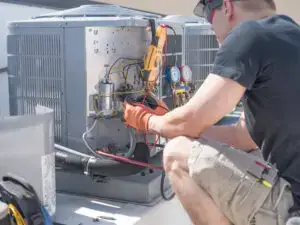
Why Hiring a Local HVAC Pro Matters for Garage Conversions
Garage conversions are one of those projects where “almost right” becomes a constant headache. A local Austin HVAC team
understands the real-world heat loads, humidity patterns, and construction styles common across Central Texas homes.
At AlexSplit LLC, we help homeowners and businesses plan HVAC the right way—so the converted space stays comfortable in July,
not just in mild weather.
Schedule an HVAC Evaluation for Your Garage Conversion
If you’re planning a conversion (or already finished one that’s uncomfortable), we can help you choose the right path—
whether that’s a ductless mini-split, a dedicated split system, or a properly engineered ducted solution.
Call AlexSplit LLC at (512) 537-0585
Email: info@alexsplit.com
Learn more: https://www.alexsplit.com/
If you need urgent help, you can also review:
Emergency Heating and AC Services.
Helpful External Resources
Here are a few trusted resources that help explain efficiency, indoor air quality, and planning considerations: