Data Centers, AI Facilities, Server Rooms, and Tech Spaces Need Better AC
Artificial intelligence is changing more than software. It is changing buildings, electrical systems, cooling needs, and the way commercial properties manage indoor temperature. As AI tools, cloud platforms, automation systems, and high-performance computing continue to grow, more businesses are relying on server rooms, equipment closets, small data rooms, tech offices, and specialized commercial spaces that generate serious heat.
That creates a major opportunity for local HVAC planning. Businesses may think about internet speed, backup power, cybersecurity, and software first, but cooling is just as important. Without reliable air conditioning, sensitive equipment can overheat, performance can drop, and expensive systems can fail. For Central Texas businesses, data center cooling Austin is becoming a real conversation because Austin’s heat is not forgiving.
AlexSplit LLC provides HVAC services, AC installation, AC repair, mini-split systems, preventative maintenance, and emergency heating and AC services across Austin and surrounding Central Texas communities. While massive hyperscale data centers require industrial engineering teams, many local businesses still need dependable cooling for smaller tech spaces, commercial equipment rooms, server closets, office buildouts, warehouses, and temperature-sensitive operations.
The key is simple: if your business depends on electronics, servers, routers, production equipment, automation systems, security systems, or AI-connected tools, your cooling system needs to be treated as business infrastructure, not just comfort equipment.
Data Center Cooling Austin Is Becoming More Important Because AI Creates More Heat
AI systems require large amounts of computing power. More computing power means more electricity. More electricity means more heat. That heat has to go somewhere. In major AI data centers, cooling is now one of the most important parts of the facility. The same principle applies on a smaller scale to Austin businesses with server rooms, networking equipment, IT closets, security hardware, point-of-sale systems, commercial control panels, or high-use electronics.
The U.S. Department of Energy reported that data centers consumed about 4.4% of total U.S. electricity in 2023 and could consume approximately 6.7% to 12% by 2028. That growth is being driven by artificial intelligence, digital infrastructure, and expanding computing demand.
Many businesses underestimate how much heat their equipment produces. A small room with routers, switches, servers, battery backups, monitors, and control equipment can become much hotter than the rest of the building. If that room is connected to a normal office HVAC system, it may not get enough airflow. If the door stays closed, temperatures can rise quickly. If the thermostat is located somewhere else, the AC may shut off even though the server room is still hot.
This is why data center cooling Austin should not only be discussed by large tech companies. Local offices, warehouses, clinics, restaurants, studios, retail spaces, manufacturing shops, and service businesses can all have equipment that needs stable cooling.
Austin’s climate makes the problem worse. During long summer heat, an already warm equipment room can become a risk point for the entire business. Reliable cooling protects comfort, uptime, equipment life, and daily operations.
Commercial HVAC Austin Businesses Need More Than Regular Office Cooling
Standard office AC is usually designed for people. Server rooms and equipment spaces are different. People leave at night. Equipment keeps running. People can tolerate small temperature swings. Electronics often cannot. A meeting room may only need cooling during business hours. A server closet may need cooling 24 hours a day.
That is why commercial HVAC in Austin needs to be planned around how each space is used. A business with a small IT room may need a dedicated mini-split. A warehouse office may need zoning. A tech company may need supplemental cooling for one area of the building. A restaurant may need cooling for both comfort and equipment reliability. A medical office may need stable temperatures for computers, devices, records, and patient comfort.
In many cases, the issue is not that the building has no AC. The issue is that the cooling system was not designed for the new load. Businesses add equipment over time. They add computers, cameras, network hardware, POS systems, monitors, automation controls, battery backups, and cloud-connected devices. Eventually, one room becomes hotter than the rest of the building.
When that happens, turning down the main thermostat is usually not the best solution. It can make the rest of the building too cold, increase energy bills, and still fail to solve the hot room problem. A dedicated cooling solution is often smarter.
Server Room Cooling Austin: Warning Signs Your Equipment Room Is Too Hot
Austin business owners should watch for early signs that a server room, data room, or equipment closet is not being cooled correctly. Small problems can turn into expensive failures if they are ignored.
Common warning signs include:
- The equipment room feels warmer than nearby rooms.
- Fans inside servers, computers, or network equipment run loudly.
- Systems restart, freeze, or lose connection.
- The room feels stuffy or has poor airflow.
- The main AC runs constantly but the equipment room stays hot.
- Employees keep the equipment room door open to release heat.
- Battery backups or electronics feel hot to the touch.
- There is no dedicated thermostat for the room.
- The space was originally a closet, storage room, garage, or small office.
If these signs are present, the space may need better ventilation, a dedicated cooling system, AC repair, airflow correction, or preventative maintenance. The correct answer depends on the size of the room, the amount of equipment, operating hours, building layout, insulation, electrical load, and existing HVAC setup.
For many small commercial spaces, a ductless mini-split can be a strong option because it provides targeted cooling without requiring major ductwork changes. For larger commercial spaces, the solution may involve zoning, system replacement, condenser work, maintenance, or a more detailed HVAC design.
AI Data Center Cooling Starts With Proper AC Sizing
One of the biggest mistakes in any cooling project is guessing the equipment size. An undersized AC system may run nonstop and still fail to cool the space. An oversized system may short cycle, waste energy, create humidity problems, and wear out faster. Proper sizing matters even more when the room contains heat-producing electronics.
For AI data center cooling, server room cooling, or commercial equipment cooling, the HVAC system should be matched to the real heat load. That means considering more than square footage. The number of devices, operating hours, insulation, windows, ceiling height, airflow, room location, and existing system condition all matter.
For example, a small interior office with basic computers may not need a special system. A similar-sized room filled with servers, switches, monitors, battery backups, and security equipment could need dedicated cooling. The same room can have completely different HVAC needs depending on what is inside it.
That is why professional evaluation matters. AlexSplit can inspect the space, review the cooling problem, and recommend an option that fits the business instead of relying on a guess.
Mini Split Systems Austin Businesses Can Use for Equipment Cooling
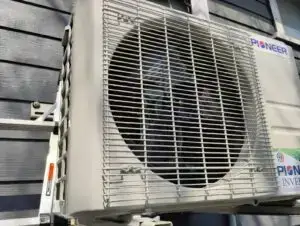
Mini split systems are one of the most flexible cooling options for Austin businesses with targeted cooling needs. They are commonly used in garages, offices, additions, workshops, warehouses, commercial spaces, and other areas where extending ductwork may not make sense.
For server rooms and tech spaces, a mini split may help because it can cool one area separately from the rest of the building. That means the business does not have to overcool the entire office just to protect one hot equipment room.
Benefits of mini split systems for commercial and tech spaces can include:
- Dedicated temperature control for one room or zone.
- No major duct extension required in many applications.
- Quiet operation for office environments.
- Energy-efficient cooling for targeted areas.
- Useful for converted rooms, equipment rooms, garages, shops, and offices.
- Better comfort control when one room has a different heat load.
Mini splits are not the answer for every building, but they are often worth considering when a business needs cooling in one specific problem area. For a small server room, IT closet, tech office, or equipment-heavy workspace, a dedicated mini split may be more practical than forcing the central AC system to handle everything.
AC Installation Austin: When a Business Should Upgrade Cooling
Sometimes repair is enough. Other times, the system is too old, too small, inefficient, or poorly matched to the building’s current needs. Businesses should consider new AC installation in Austin when the existing system cannot keep up, requires frequent repairs, or no longer fits the way the space is used.
Business use changes over time. A building that once had basic office equipment may now support cloud software, AI tools, surveillance systems, production equipment, charging stations, smart controls, remote work setups, and more electronics than originally planned. The cooling system may not have been designed for that load.
Signs it may be time to consider AC replacement or installation include:
- Recurring breakdowns during hot weather.
- High energy bills without better cooling.
- Uneven temperatures across the building.
- Hot rooms that never cool properly.
- Old equipment with declining performance.
- Commercial spaces being remodeled or repurposed.
- New equipment being added to the building.
- Cooling needs that now run beyond normal business hours.
A proper AC installation should focus on performance, efficiency, sizing, airflow, and long-term reliability. For businesses with tech-heavy spaces, the system should also be planned around uptime. A comfortable office is important, but keeping equipment protected can be just as valuable.
Emergency AC Repair Austin Matters When Equipment Cannot Wait
For some businesses, AC failure is more than uncomfortable. It can interrupt operations. If a server room, data room, or tech space loses cooling during an Austin summer, temperatures can climb quickly. That can put equipment at risk and create pressure on the business to respond fast.
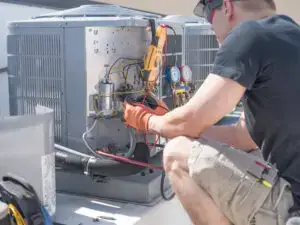
This is where emergency AC repair in Austin becomes important. A failed condenser, refrigerant issue, electrical problem, thermostat issue, clogged drain, frozen coil, or weak airflow can all affect cooling performance. The faster the issue is diagnosed, the better the chance of avoiding extended downtime.
Businesses should not wait until a hot equipment room becomes a full outage. If the AC is making unusual noises, failing to maintain temperature, short cycling, leaking, or struggling during peak heat, it should be inspected. Preventing the failure is almost always better than reacting after equipment is already overheating.
AlexSplit provides emergency heating and AC services, which is especially important for businesses that operate after hours or rely on equipment that runs overnight.
HVAC Maintenance Austin Businesses Should Schedule Before Peak Heat
Preventative maintenance is one of the best ways to reduce cooling problems before they become emergencies. This is especially true for commercial HVAC systems that support technology, equipment, or business-critical rooms.
Maintenance helps catch small issues early. Dirty coils, clogged filters, weak airflow, thermostat problems, refrigerant concerns, electrical wear, and drainage issues can all reduce performance. A system may still run, but it may not cool efficiently. In a normal office, that may feel like mild discomfort. In an equipment room, it can become a serious problem.
A good HVAC maintenance plan can help businesses:
- Improve cooling efficiency.
- Reduce unexpected breakdowns.
- Extend equipment life.
- Improve airflow and indoor comfort.
- Lower stress on AC components.
- Prepare for Austin summer heat.
- Protect commercial spaces that depend on stable cooling.
For businesses with server rooms or sensitive equipment, maintenance should not be treated as optional. The cooling system is part of the operation. If it fails, the business may lose productivity, comfort, equipment performance, or customer-facing systems.
How Austin Businesses Can Prepare for AI and Tech Cooling Needs
Not every business needs a data center. But more businesses now depend on data, software, automation, and connected equipment. That means more businesses need to think ahead about cooling.
Here are practical steps Austin businesses can take:
- Identify hot spots. Walk through the building and check equipment rooms, IT closets, offices with heavy electronics, storage rooms with hardware, and warehouse control areas.
- Check airflow. Make sure vents are not blocked and doors are not trapping heat in small rooms.
- Watch operating hours. If equipment runs around the clock, cooling may also need to run outside normal office hours.
- Do not rely only on the main thermostat. The thermostat may not reflect the temperature inside the equipment room.
- Plan before adding equipment. New servers, networking hardware, security systems, or production equipment can change cooling needs.
- Schedule maintenance early. Do not wait until the hottest week of summer to find out the system is struggling.
- Ask about dedicated cooling. Mini splits, zoning, or system upgrades may solve problems more effectively than overworking the main AC.
The businesses that plan ahead will usually spend less, avoid more problems, and protect their equipment better.
Why Choose AlexSplit for Commercial HVAC and Data Room Cooling in Austin?
AlexSplit LLC serves Austin, Cedar Park, Leander, Round Rock, Georgetown, Lakeway, Bee Cave, Pflugerville, Kyle, San Marcos, and surrounding Central Texas communities. The company provides AC installation, AC repair, mini-split systems, condenser replacement, smart thermostats, heating services, emergency HVAC services, and preventative maintenance.
For local businesses, that matters because cooling needs are not always simple. A tech room, server closet, warehouse office, garage workspace, or commercial equipment area may need a custom recommendation. AlexSplit can evaluate the space, diagnose performance issues, and help determine whether the best next step is maintenance, repair, dedicated cooling, or a new installation.
Businesses should call AlexSplit if they are dealing with:
- Hot equipment rooms.
- Server closets without dedicated cooling.
- Commercial AC systems that cannot keep up.
- Recurring AC breakdowns.
- Mini split installation needs.
- Uneven cooling in offices or commercial spaces.
- After-hours AC problems.
- Preventative HVAC maintenance planning.
As AI and technology continue to grow, cooling will become more important for everyday businesses. Reliable AC is no longer only about comfort. It is about keeping operations stable.
Data Center Cooling Austin: Final Thoughts
The rise of AI is making cooling one of the most important parts of modern infrastructure. Large data centers need advanced cooling systems, but local businesses also need to pay attention. Server rooms, IT closets, small data rooms, smart equipment, and commercial tech spaces can all create heat that standard office HVAC may not handle well.
For Austin businesses, the message is clear: do not wait until equipment overheats or the AC fails during peak summer. If one room is always hotter, if your system runs nonstop, if your equipment is showing signs of heat stress, or if your business is adding more technology, it may be time to review your cooling setup.
AlexSplit LLC provides commercial HVAC support, AC installation, AC repair, mini-split systems, emergency AC service, and preventative maintenance across Austin and Central Texas.
Need help with commercial HVAC, server room cooling, or AC service in Austin? Call AlexSplit LLC at (512) 537-0585 or request service through the contact page.
FAQ: Data Center Cooling Austin
Do small businesses need data center cooling?
Small businesses may not need industrial data center cooling, but they may need dedicated cooling for server rooms, IT closets, equipment rooms, or commercial tech spaces that generate extra heat.
Can a mini split cool a server room?
In many small commercial applications, a mini split can provide targeted cooling for a server room or equipment area. The space should be evaluated first to make sure the system is sized correctly.
Why does my server room get hotter than the rest of the office?
Server rooms often contain equipment that runs continuously. If the room has poor airflow, no dedicated thermostat, or no separate cooling system, heat can build up faster than the main AC can remove it.
When should a business call for AC repair?
A business should call for AC repair if the system is not maintaining temperature, making unusual noises, leaking, freezing, short cycling, or struggling to cool important areas during hot weather.
Does AlexSplit provide commercial HVAC in Austin?
Yes. AlexSplit LLC provides residential, commercial, and light commercial HVAC services, including AC installation, AC repair, mini-split systems, emergency service, and preventative maintenance.
Helpful Resources
- HVAC Services in Austin
- Mini Split Systems in Austin
- AC Installation in Austin
- AC Repair Services in Austin
- Emergency Heating and AC Services
- Preventative HVAC Maintenance
- Contact AlexSplit
- U.S. Department of Energy: Data Center Electricity Demand Report
- International Energy Agency: Energy and AI Report